Explore the Core of Courage: Exploring the Warsaw Uprising Museum
The Warsaw Uprising Museum serves as a testament to resilience in the face of oppression. It provides a distinctive glimpse into the hardships suffered during one of history's most defining moments. Attendees can immerse themselves in powerful displays that illuminate individual accounts and shared history. Such a journey through history brings up important questions about freedom and the ongoing struggle for democratic values. What insights can we gather from these accounts, and how do they resonate today?
Why The Warsaw Uprising Is Still Relevant Today
The relevance of the historic Warsaw Uprising echoes profoundly throughout modern society, representing resilience in the face of oppression. This pivotal moment in history, which took place during World War II, highlights the bravery of those who rose up against tyranny, making it a powerful reference point for current struggles against oppressive regimes. The revolt acts as a testament to the price paid for freedom, fostering a spirit of duty to preserve the principles of democracy in the present day.
In an era marked by increasing nationalism and populist sentiment, the lessons of the Warsaw Uprising encourage vigilance against the erosion of civil liberties. It additionally nurtures a collective appreciation for the significance of collective action in advocating for human rights. Moreover, the uprising unites generations, connecting the accounts of former heroes with present-day movements for justice. As a result, its legacy persists in inspiring individuals and communities worldwide, underscoring the perpetual pursuit of freedom and equality.
Uncover Key Exhibits and Personal Stories
Upon exploring the museum dedicated to the Warsaw Uprising, one can discover significant showcases that breathe life into the profound struggles of those who lived through it. The collection housed within the museum features photographs, personal artifacts, and historical documents that illustrate the daily struggles faced by both civilians and resistance fighters. A particularly moving display showcases an assembly of handwritten letters from insurgents, exposing their innermost hopes and anxieties throughout the conflict. A further exhibit illuminates the narratives of households that were uprooted, showcasing the human toll of conflict.
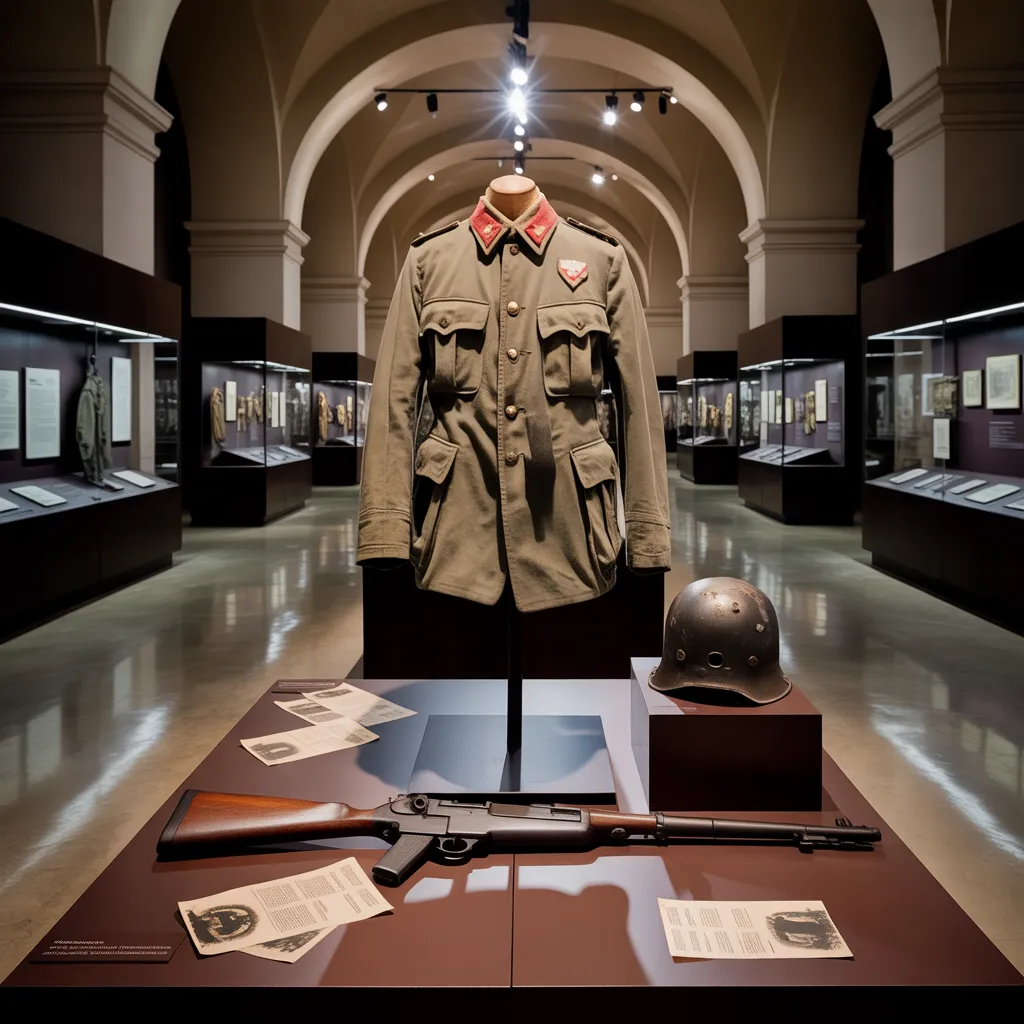
Additionally, the museum displays uniforms and weaponry used during the revolt, shedding light on the desperate circumstances. The narrative is enriched by recorded testimonies of eyewitnesses sharing their stories, adding an intimate dimension to the events of history. These installations not only teach audiences about the rebellion but also honor the resilience and bravery of the individuals who defended their city, making the past resonate with modern visitors.
Can't-Miss Interactive Exhibits at The Museum
In what ways can interactive exhibits deepen knowledge of the Warsaw Uprising? At the Warsaw Uprising Museum, such exhibits provide an engaging and dynamic approach to exploring history. One standout exhibit allows visitors to navigate a virtual map of the city as it existed during the uprising, providing context to the geographical challenges faced by insurgents. Another immersive experience simulates the sounds of battle, enveloping guests in the atmosphere of resistance.
Moreover, the museum offers a moving interactive wall where guests can post thoughts and messages, cultivating a genuine relationship to the historical story. Touchscreen displays present eyewitness stories from survivors, bridging the gap between history and today. These dynamic installations not only educate but also evoke empathy, presenting the nuances of the Warsaw Uprising easier to understand and connect with. With these forward-thinking features, the exhibit shapes historical learning into an immersive exploration that resonates deeply with all who attend.
Tips For Visiting The Museum
What key tips can improve a visit to the Warsaw Uprising Museum? To begin with, it is recommended to set aside at least two to three hours for a comprehensive exploration of the exhibits. Guests are encouraged to purchase tickets online ahead of time to bypass lengthy lines, particularly during busy tourist seasons. Audio guides are available and recommended, as they provide valuable context and deeper insights into the exhibits.
Getting there early in the day can further enrich the visit, creating a more peaceful environment. Sturdy shoes are highly recommended, as the museum features extensive walking and standing. In addition, visitors may want to check the museum's schedule for exclusive events, educational workshops, or informative guided tours that could enrich their understanding. Lastly, engaging with the museum staff for recommendations can result in uncovering hidden artifacts and narratives that highlight the resilience of Warsaw's citizens during the uprising.
How The Uprising Defines Contemporary Polish Culture
The Warsaw Uprising continues to be a defining moment in Poland's rich history, profoundly influencing the collective identity of the nation. This 1944 resistance against Nazi occupation symbolizes valor, strength, and the fight for independence. The Uprising has emerged as a fundamental touchstone in present-day Polish patriotism, fostering a spirit of unity among citizens who view it as a tribute to their shared history and values.
In contemporary Poland, the Uprising is remembered in numerous ways, from civic events to artistic tributes, deepening a communal memory that influences national awareness. The heroism exhibited during the Uprising is commemorated in literary works, film, and artistic expression, serving to inspire national pride.
Furthermore, the Uprising's remarkable legacy inspires ongoing discussions about democracy, sacrifice, and historical memory, impacting public discourse and civic participation. Consequently, the Warsaw Uprising's significance continues to be a access resource foundation of the Polish national identity, reflecting the undying quest for sovereignty and the spirit of resistance.
Empowering Future Generations Through The Museum
The Warsaw Uprising Memorial Museum plays an essential role in educating young visitors via its engaging displays, which connect them to the historical events of the insurrection. Through safeguarding these stories, the museum not only honors the past but also cultivates a feeling of duty in the next generation. This methodology fosters a more profound appreciation of historical events and their continuing significance on the Polish national character.
Learning Through Interactive Exhibits
Whereas most museums strive to protect history, the museum dedicated to the Warsaw Uprising employs a remarkable strategy by engaging visitors through interactive exhibits. These meticulously planned displays allow guests to fully experience the experiences of those who lived through the uprising. By incorporating multimedia showcases, virtual reality simulations, and engaging activities, the museum encourages a greater comprehension of the historical context and emotional weight of the events. Visitors can explore authentic artifacts and engage in storytelling that transforms history into a living experience, rendering it accessible to newer generations. This hands-on approach not only educates but also inspires empathy and critical thinking, ensuring that the lessons of the uprising resonate well beyond the confines of the museum, influencing the outlooks of tomorrow's leaders.
Preserving Historical Narratives Impact
Via its engaging exhibits, the Warsaw Uprising Museum not only informs visitors but also plays an important role in safeguarding historical accounts that resonate with generations to come. By highlighting firsthand experiences, relics, and digital displays, the museum cultivates a deeper understanding of the Uprising's historical impact. This involvement helps to affirm that the contributions made during this defining moment in history are not overlooked. The museum highlights the importance of collective memory, resilience, and bravery, inspiring young people to consider their own ideals and obligations. As attendees form emotional bonds with the past, they are inspired to become engaged contributors in creating a better tomorrow. Therefore, the museum functions as a vital channel for conveying these important stories through generations.
Individual Stories That Shed Light on History
Among the artifacts and displays of the Warsaw Uprising Museum, firsthand accounts stand out as compelling testaments of strength and bravery. Every account, be it from a combatant or an ordinary citizen, offers a profoundly touching window into the personal journey during one of history's darkest times. The museum showcases handwritten letters, personal diaries, and recorded testimonies that convey the sentiments of sorrow, aspiration, and courage, allowing visitors to connect with the past on a deeply personal level.
These accounts underscore the intricacies of endurance, demonstrating how everyday people transformed into exceptional heroes. They uncover the moral dilemmas encountered throughout the uprising and the connections formed through hardship. By sharing these personal narratives, the museum preserves not only history but also highlights the value of personal perspectives in forming shared memory. At their core, these individual accounts redefine the perception of the uprising, permitting it to echo in modern conversations surrounding resistance and identity.
Commonly Asked Questions
What Are the Museum's Hours of Operation and Entry Fees?
The museum functions every day from 10 in the morning until 6 in the evening, remaining open until 8 PM on Thursdays. Entry fees are 25 PLN for adult visitors, whereas students and seniors receive discounted admission at 15 PLN.
Can You Take a Guided Tour at the Warsaw Uprising Museum?
Absolutely, guided tours can be arranged at the Warsaw Uprising Museum. These guided experiences deliver comprehensive insights into the historical exhibits and context, broadening visitors' knowledge of the historical events and importance of the revolt. Advance reservations are strongly advised.
Is Taking Photos Permitted Inside the Museum?
The use of cameras is generally prohibited inside the museum in order to protect the displays and honor the dignified nature of the environment. Guests are invited to embrace the visit without taking photos, directing their attention toward the historical importance of the artifacts.
Is There a Gift Shop or Café Available On-Site?
Indeed, the museum offers both a retail shop and a café within the facility. Visitors can purchase souvenirs and enjoy refreshments, making their experience more enriching while discovering the historical importance of the museum's displays.
Do You Have Any Special Events or Exhibitions Planned?
The museum frequently organizes special events and exhibitions. Future programs offer lectures, film screenings, and interactive displays, offering guests a more profound understanding of the Warsaw Uprising's historical importance and lasting impact.